The amazing fossils of the pier
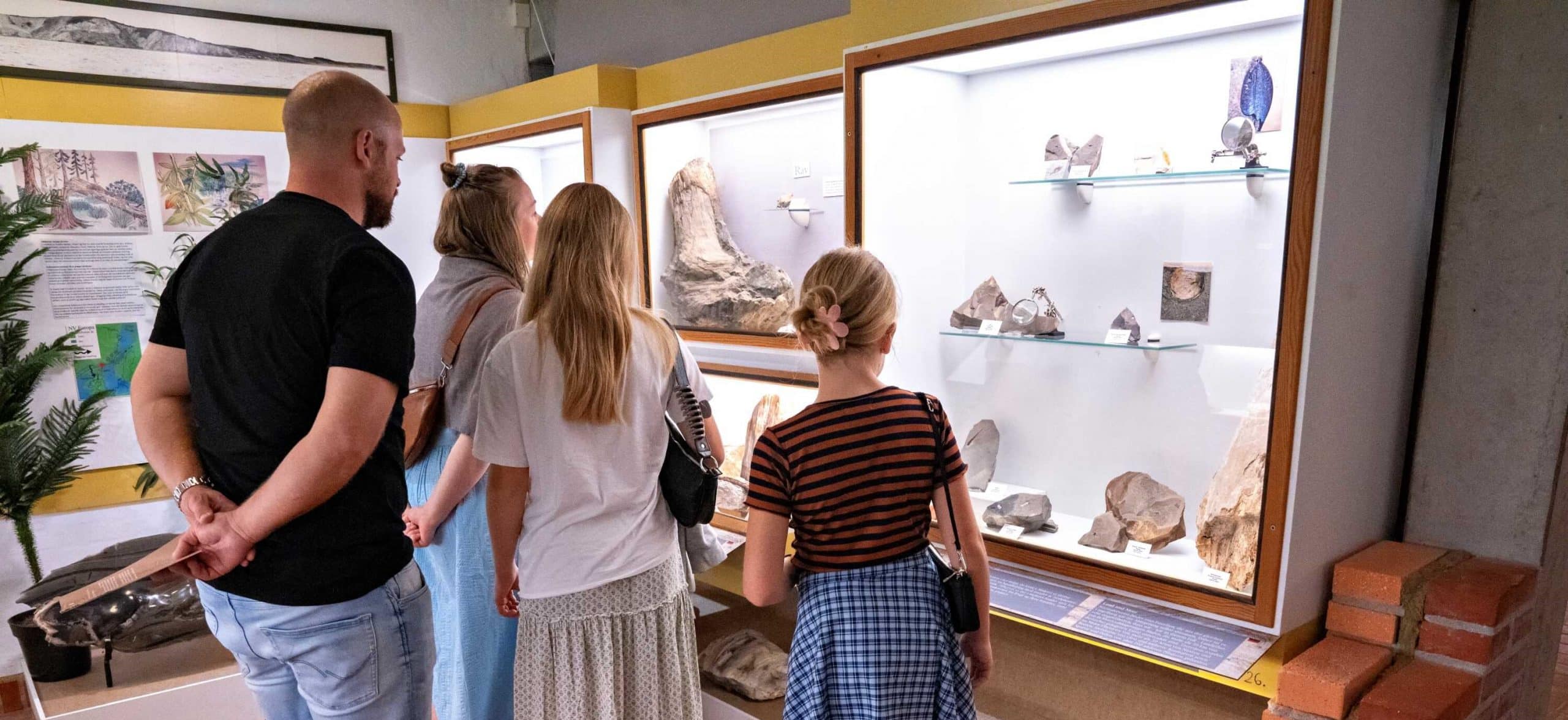
At the museum, we have exhibited the best of our unique collection of fossils from the molar (known to geologists as the Fur Formation). Here you can see amazingly preserved 55 million-year-old fish, birds, turtles, insects, and plants of international class, many of which are not known from anywhere else in the world.
The German Fish – a unique fossil find on Fur
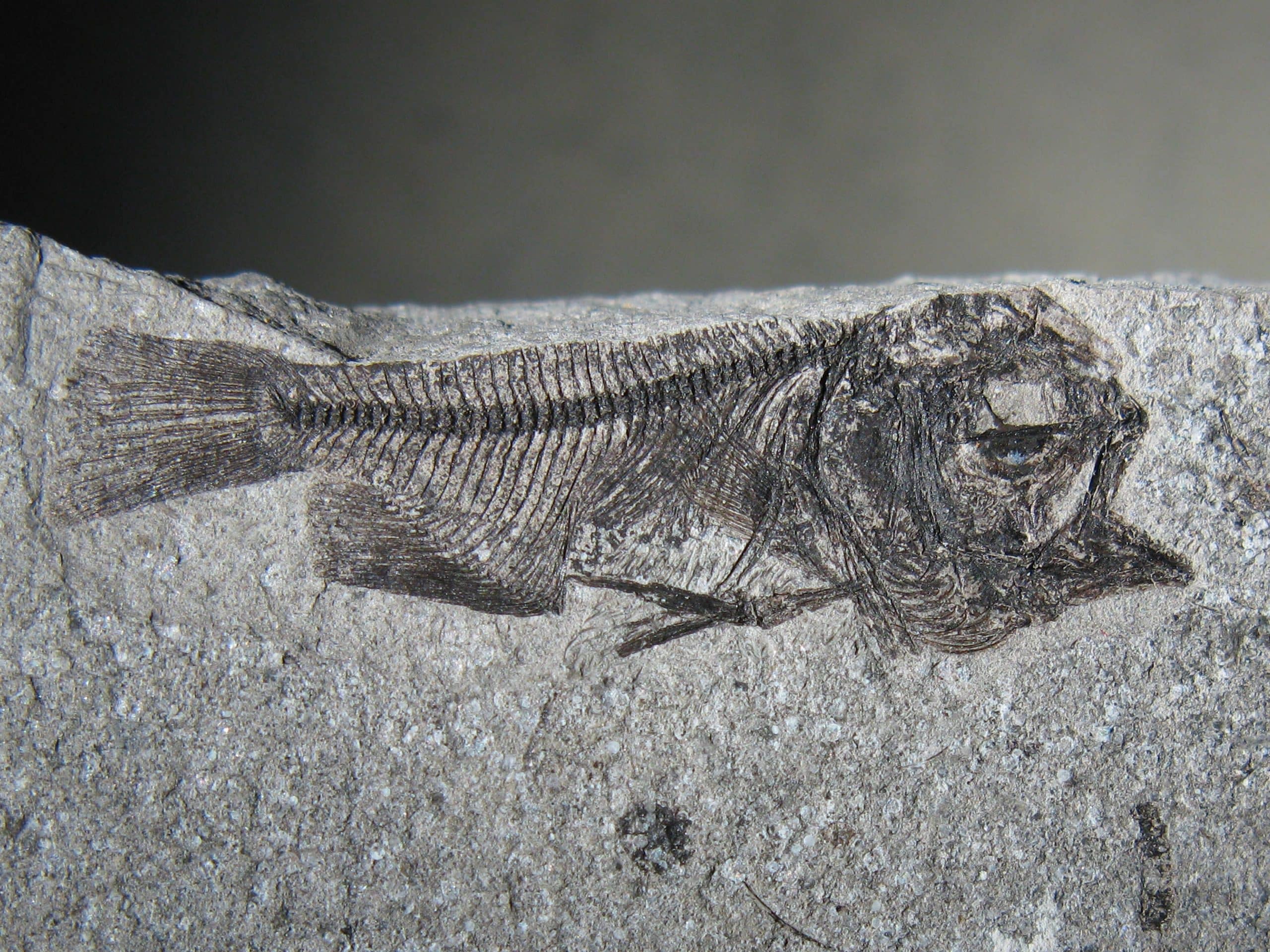
The German Fish is one of Denmark’s most spectacular fossils and an important part of Fur Museum’s collection. The fossil was discovered in 1985 on Fur’s North Beach after a German tourist found and carefully split the stone with the large fish inside. The find was reported to the museum, and in 1992 Fur Museum acquired the top half of the fossil with support from the National Board of Antiquities.
The fish fossil, called Furichthys fjeldsoei, is around 55 million years old and represents a very special time in Denmark’s geological history. The unique fossil helped to highlight the need for protection of Denmark’s natural history treasures, and the find played a role in the establishment of the Danekræ legislation.
In recent years, the fossil has been carefully preserved through extensive work including diamond saws, acetic acid and precision work, so that it can be exhibited in a specially designed display case. The German Fish is now back at Fur Museum, where it can be experienced as a fascinating piece of natural history and cultural heritage.
New finds – Special exhibition
Every year, many exciting and beautiful fossils are found in the molar. Some are even unique. Here at the museum, we think they deserve to be exhibited. That’s why we have created a small special exhibition with the most exciting new finds – many found by private individuals. If you want to know more about the fossils you have found, you are always welcome to bring them to the museum.
The time trail
Step into the past – a time travel in stone. Behind the museum is a stone park, which we have chosen to call the Time Trail. On a trip through the park, you can travel 1,400,000,000 years back in time and learn more about Denmark’s geological history. Along the way, you’ll pass Ice Age mammoths and aurochs. The animals are created by local artist Poul Erik Nielsen, who has chosen to use heather and willow as the primary building materials.
In addition to the Ice Age animals, you can also meet a 4 meter long dinosaur standing between some of the many large stones that are all representatives of their geological time period. Many of the stones have been collected along the shores of Fur, and you will have the opportunity to recognize and collect similar stones on Fur’s beach and thus take home a piece of history.
The sandy harbor – Old Harbour
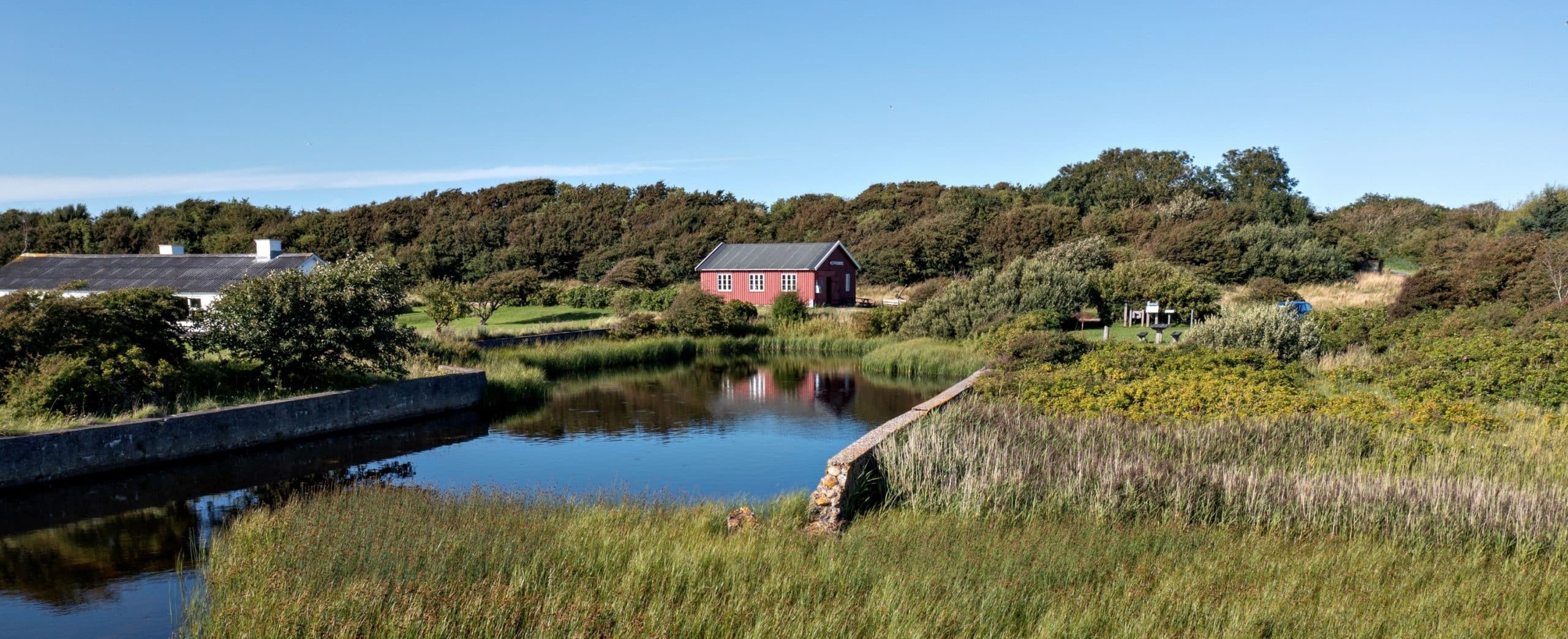
On the southwest coast of Fur, fishermen built a harbor in 1911 that was the lifeblood of the island. At the time, fishing was just as important as farming. But due to silting up, the harbor was abandoned and in 1956 they moved to a newly built harbor at the ferry terminal.
Today, Fur Museum owns the Old Harbor. In a restored bottom net house at the harbor you will find an exhibition that tells the history of the harbor and the decline of Limfjord fishing. Admission is free.
There is a nature trail in the area with the opportunity for a fresh beach walk. You can now walk across the sandy entrance to the harbor without shoes. The harbor basin, bulwark and bottom net house are still preserved.
Note that this exhibition is located at the sandy harbor and the address is Hindkærvej 5, 7884 Fur