The Fossils Behind the World Heritage Site—Knudeklint on Fur and Hanklit on Mors Are UNESCO World Heritage Sites
On July 25, 2026, Knudeklint on Fur and Hanklit on Mors were inscribed on the UNESCO World Heritage List. This is international recognition of a natural heritage site of significance to all of humanity. But the story of this World Heritage Site doesn’t begin with the cliffs alone. It begins with the unique fossils that have been found in the moler over generations and can now be seen at the Fur Museum.
A unique story of fish evolution
About 56 to 54.6 million years ago, a warm ocean covered the area where Fur and Mors are located today. The ocean was home to a species-rich fauna of bony fish. Many of the fish belonged to groups that had emerged or become more diverse following the great mass extinction at the end of the Cretaceous Period, when the dinosaurs and a large portion of the Earth’s other animal and plant life disappeared.
The Moler formation contains more than 80 known fish species across as many as 29 orders. It is the oldest known occurrence of such a species-rich and well-preserved fauna of modern bony fish. The fossils therefore provide researchers with a unique opportunity to study how many of the fish groups that characterize the world’s oceans today evolved early in their history.
It is particularly this story of the evolution and adaptation of bony fishes that forms the basis for UNESCO’s recognition. The official name of the World Heritage Site is “Bony Fish Fossils from the Western Limfjord: Evolution and Climate Adaptation in the Earliest Eocene.”
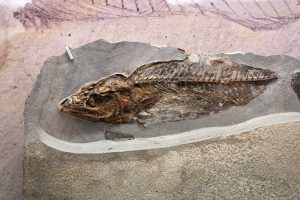
Fossils Preserved in Unparalleled Detail
The fossils from the marl are not only numerous. Many are preserved in a quality found in only a handful of places in the world. Entire fish skeletons can be found with even small and fragile bones still in place, and some fossils are preserved in three dimensions within hard calcareous concretions, also known as cement stones. The concretions formed shortly after the animals sank to the oxygen-poor seafloor. Calcareous fluids filled the pores in the marl and formed hard layers or lens-shaped stones around the remains. This protected the fossils from compression and helped preserve even very fine anatomical details.
At the Fur Museum, you can see a wide range of these unique finds and get up close to the fossils that have made the area famous among researchers worldwide.
More Than Just Fish
Fish are the central basis for the World Heritage status, but the marl also provides an exceptionally detailed picture of life in the sea and on land. Fossils found here include, among others:
- sea turtles
- birds
- insects
- plants and petrified wood
- crustaceans and other invertebrates
- algae and other microorganisms
Together, these diverse fossils tell the story of a warm and species-rich ecosystem at the beginning of the Eocene. Birds, insects, and plants were carried from the land out to sea, sank to the seafloor, and were preserved alongside marine organisms. As a result, the marl provides a rare, comprehensive insight into life both in the ocean and on land some 55 million years ago.


An archive of major climate changes
The layers at Knudeklint and Hanklit span a period of dramatic global climate change. About 56 million years ago, temperatures rose rapidly during the warm period that researchers call the Paleocene-Eocene Thermal Maximum, or PETM for short.
The fossils and geological layers show that the composition of life in the ocean and on land changed in response to the warming and subsequent cooling. The area therefore allows researchers to study how fish and other organisms responded to major and rapid climate changes in the past.
The nearly 200 layers of volcanic ash in the marl also serve as geological time markers. They make it possible to compare fossils from different levels and track developments throughout the stratigraphic sequence with exceptional precision.
The cliffs and the museum tell the story together
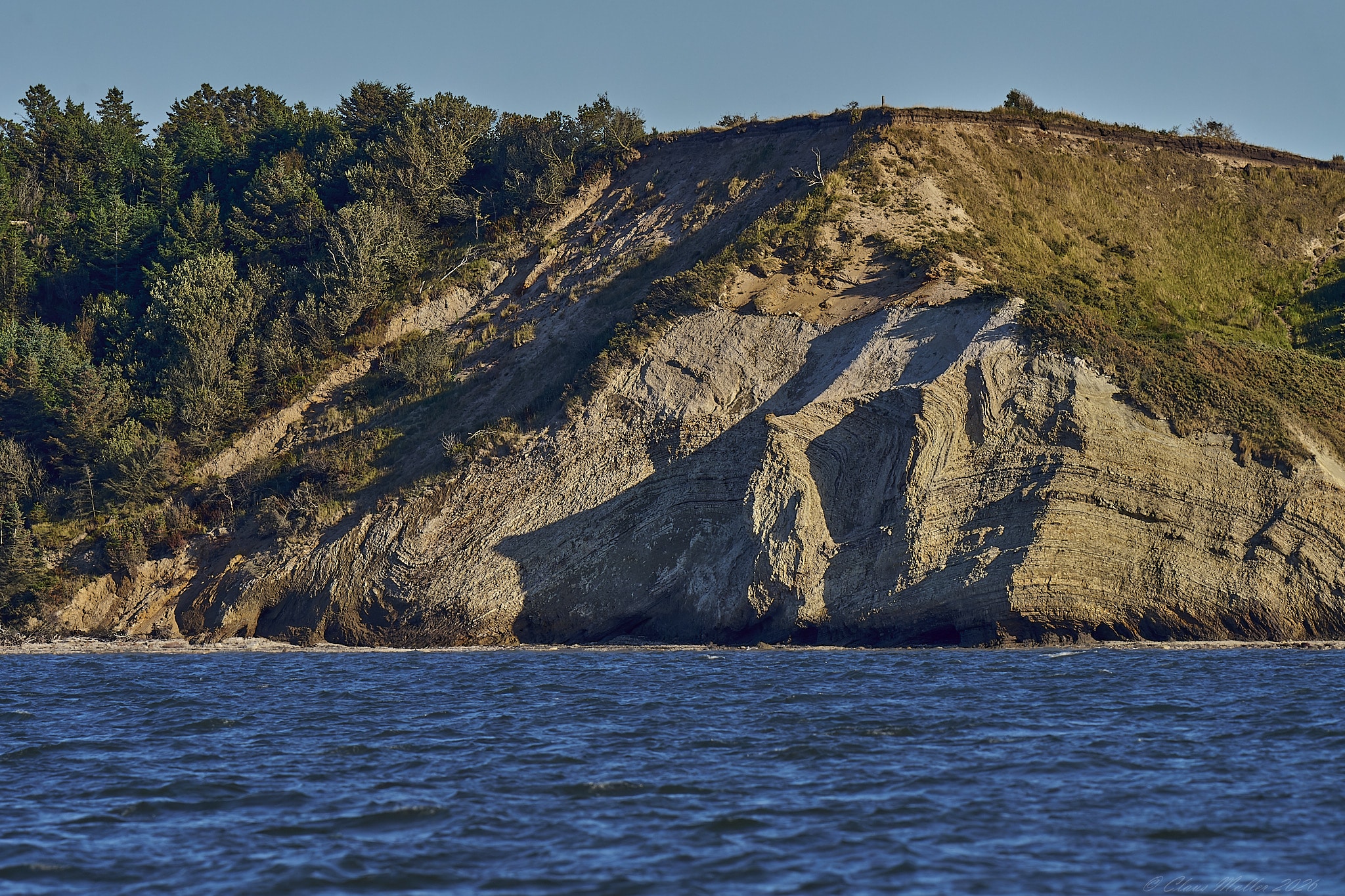
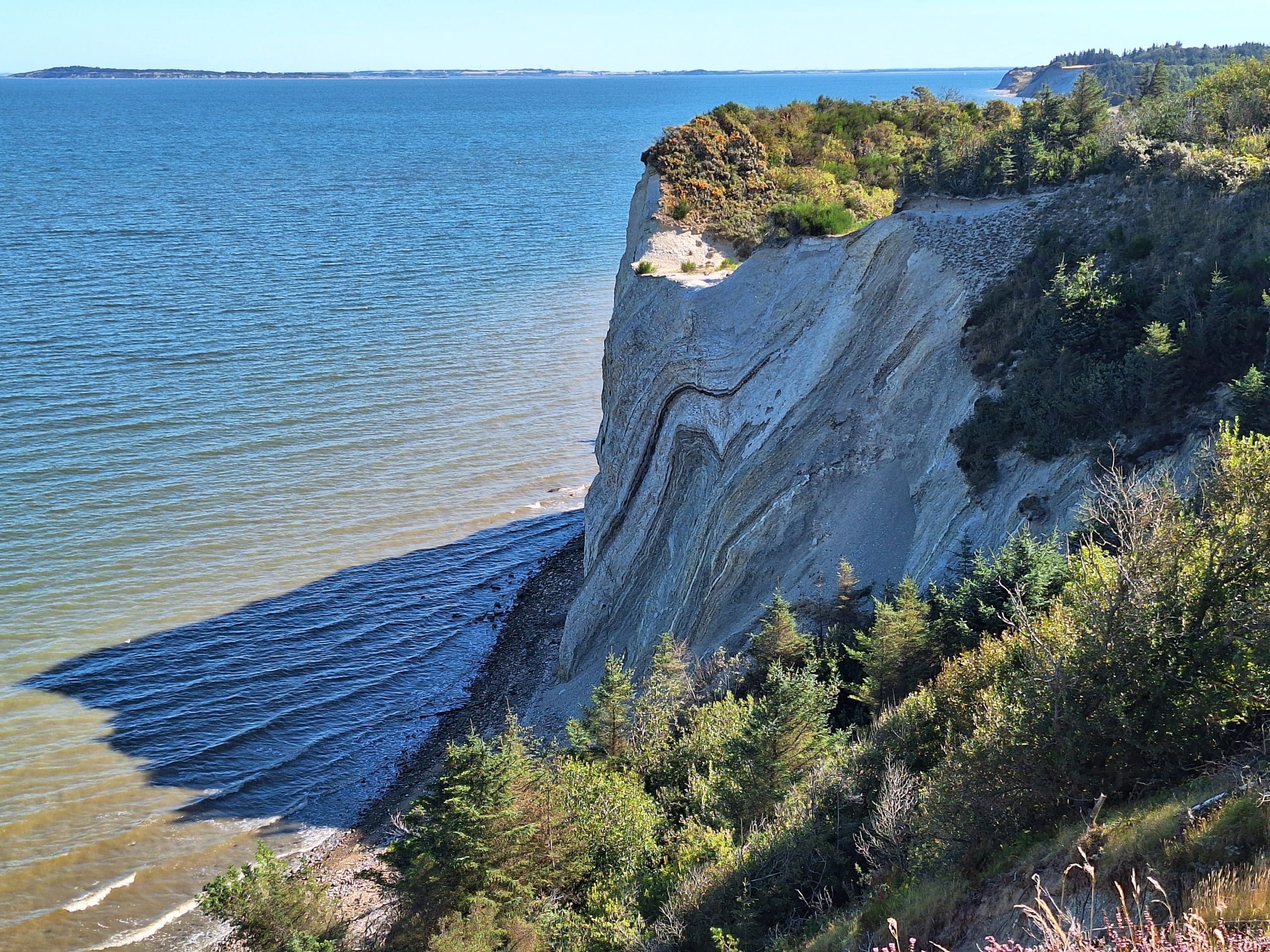
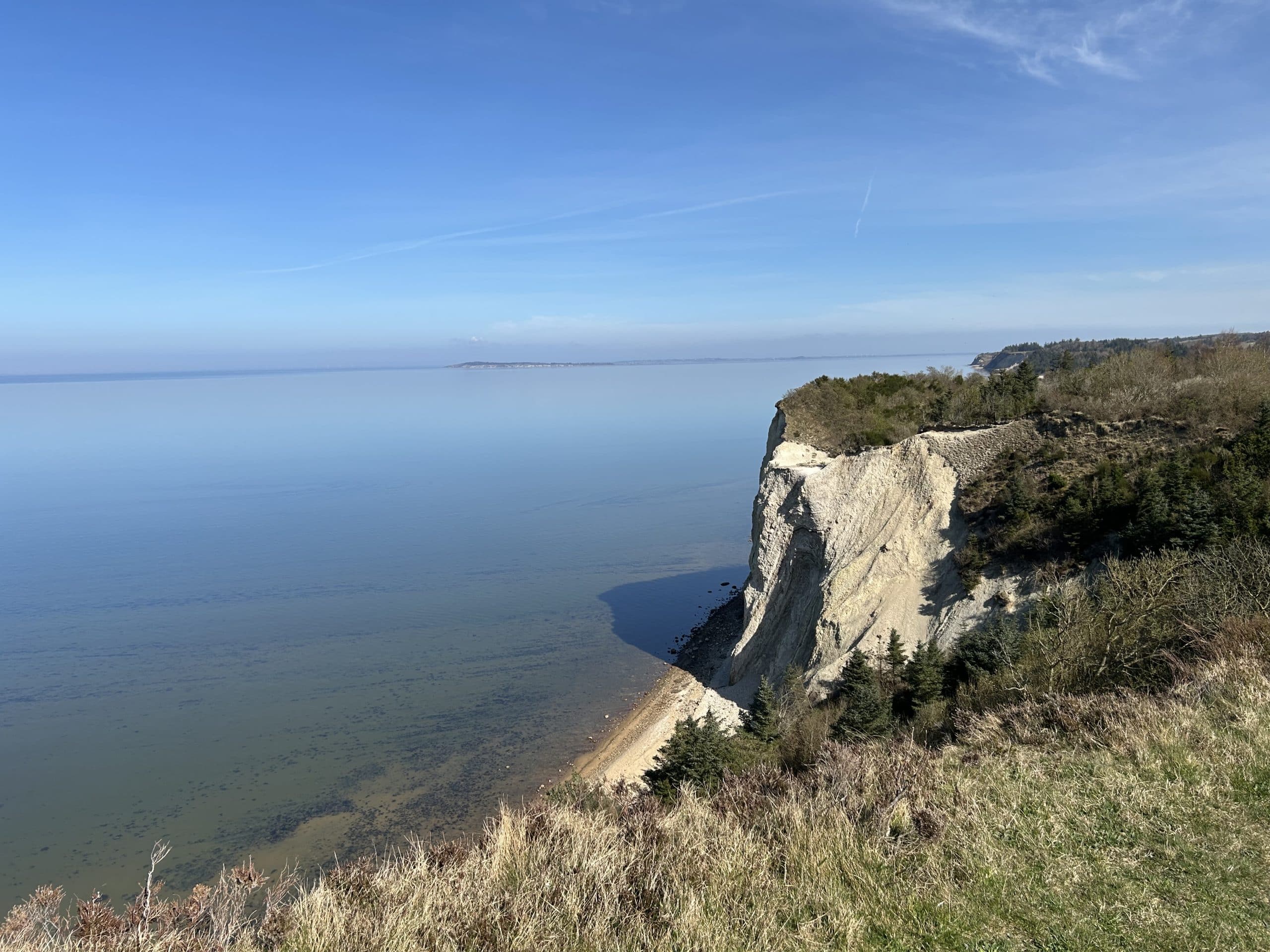
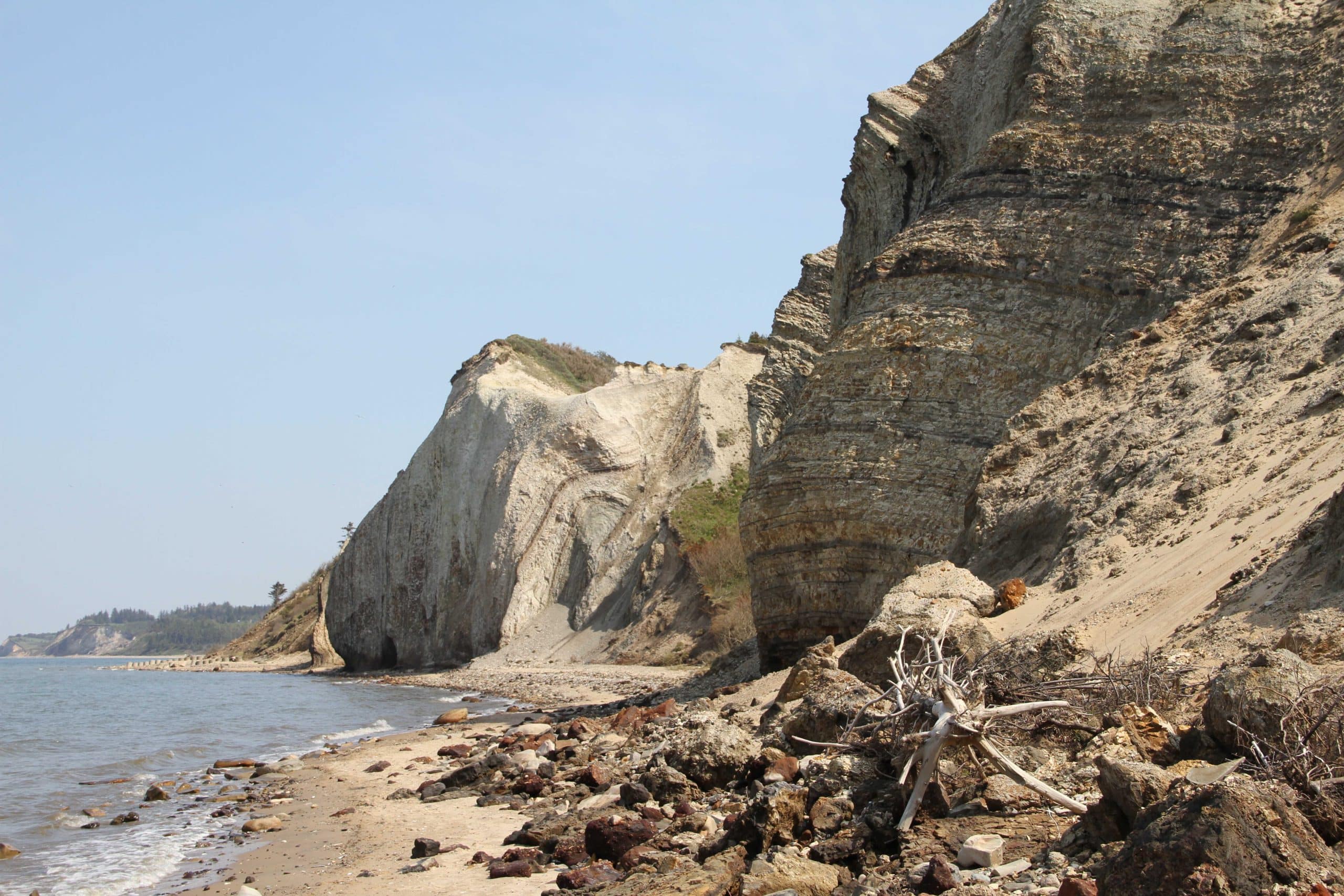
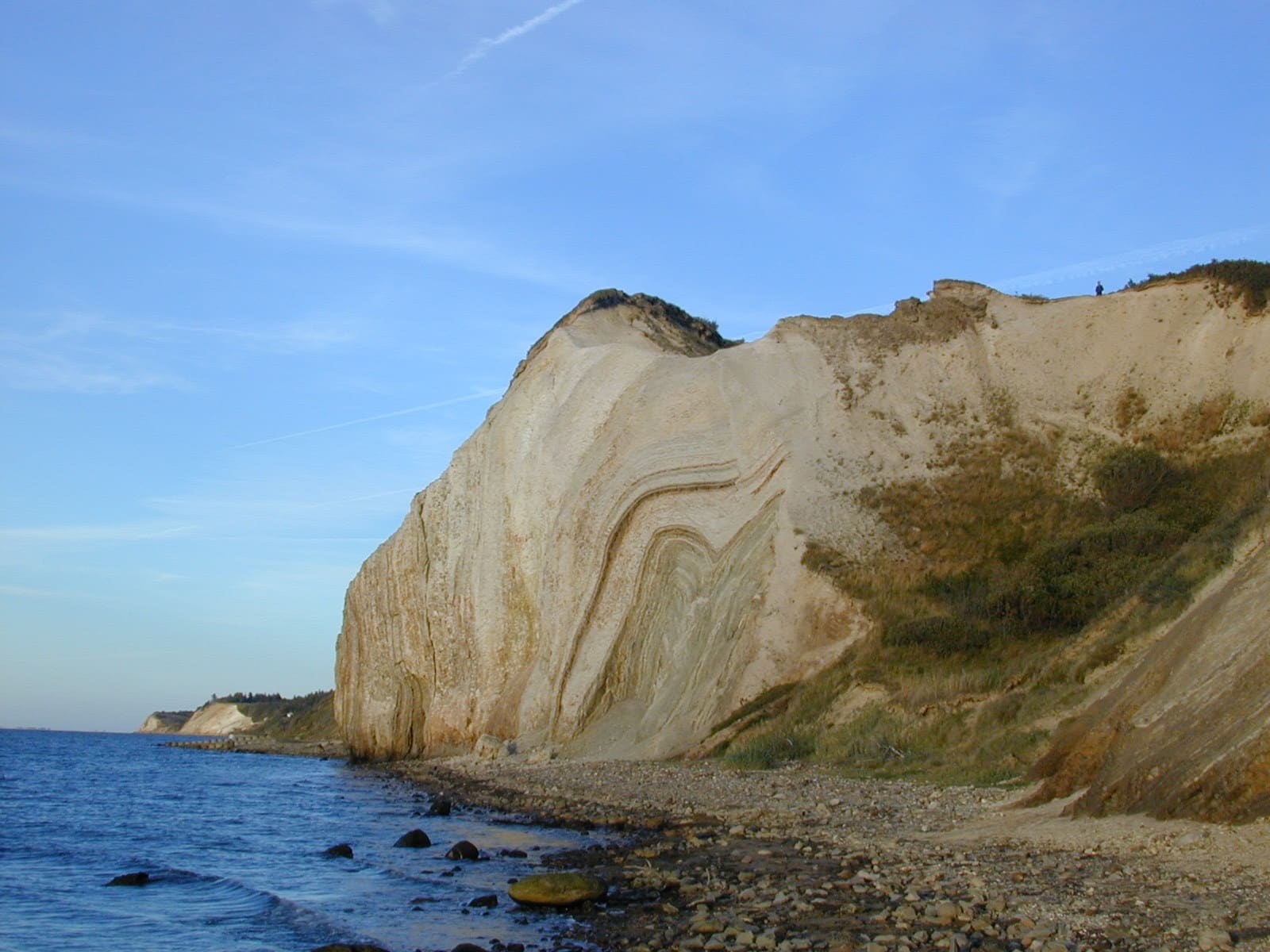
At Knudeklint, you can see the folded moler layers and the dark bands of volcanic ash in the landscape. The cliff reveals the geological context from which the fossils originate. At the Fur Museum, you can encounter the actual animals and plants that lived back then.
The cliffs and the museum’s collections therefore complement each other. At the cliff, you experience the landscape and the layers. At the museum, you can study the fossils and learn about the evolution of fish, the warm Eocene Sea, and the dramatic changes that life underwent.
Read more on the Destination Limfjord website.